Legacy Monitoring Failures
The Site Risk Profile That Quietly Degrades Every Time an Operator Mutes a Camera
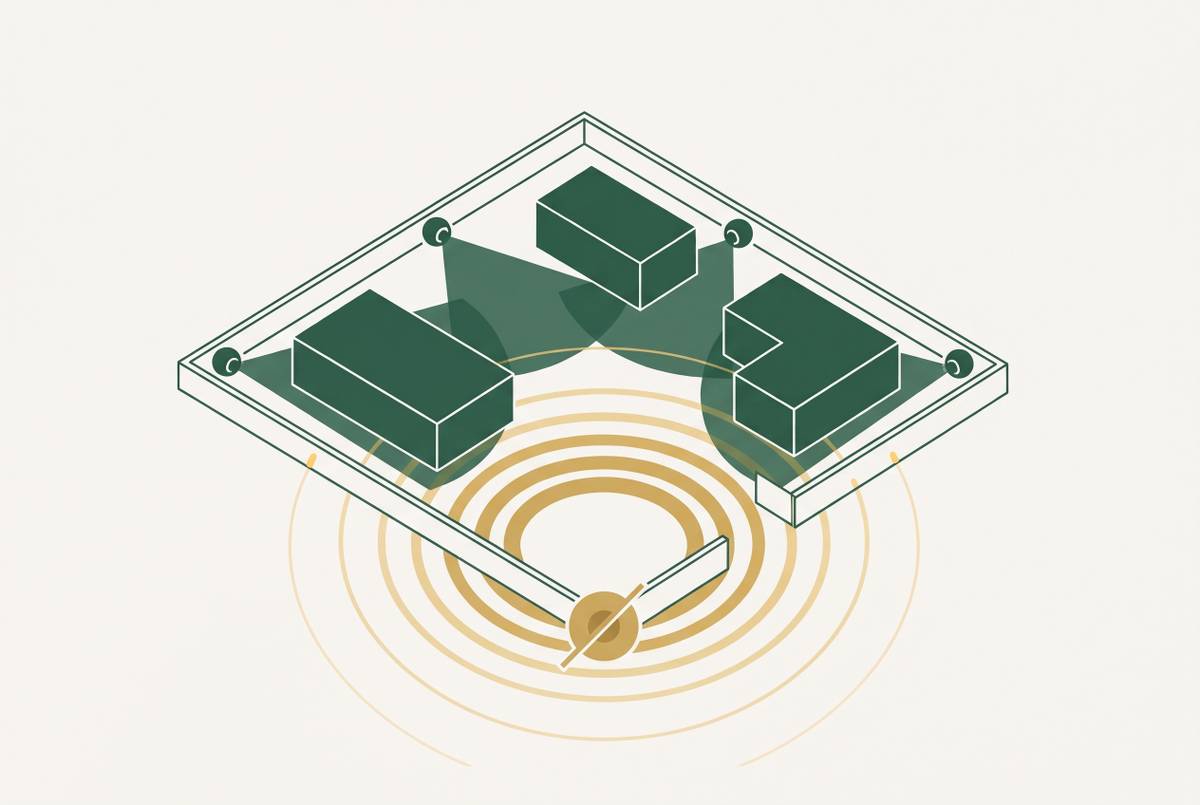
Muting cameras clears the queue but leaves hidden blind spots.
Celestine Oduya
· 9 min read
Muting cameras clears the queue but leaves hidden blind spots.
Pixel-based alerts bury real threats, and only triage fixes it.
Monitoring centers fail on response time because people review every false alarm first.
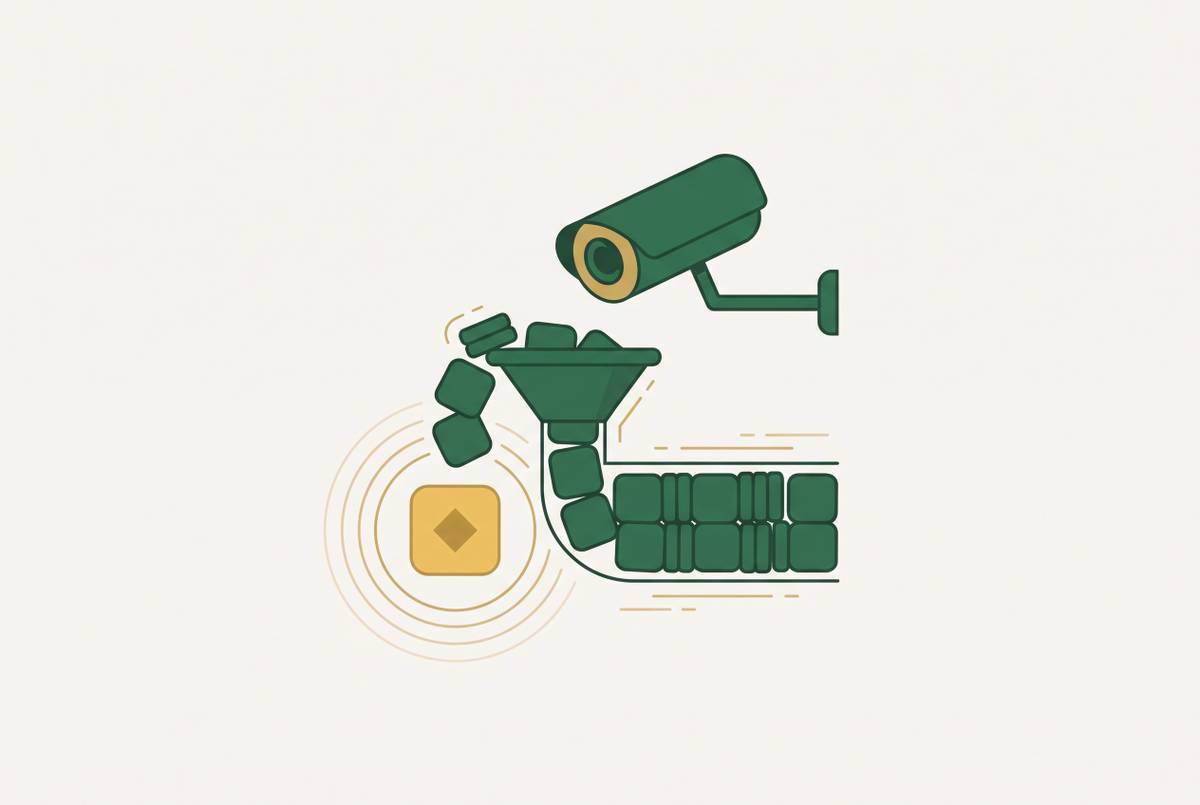
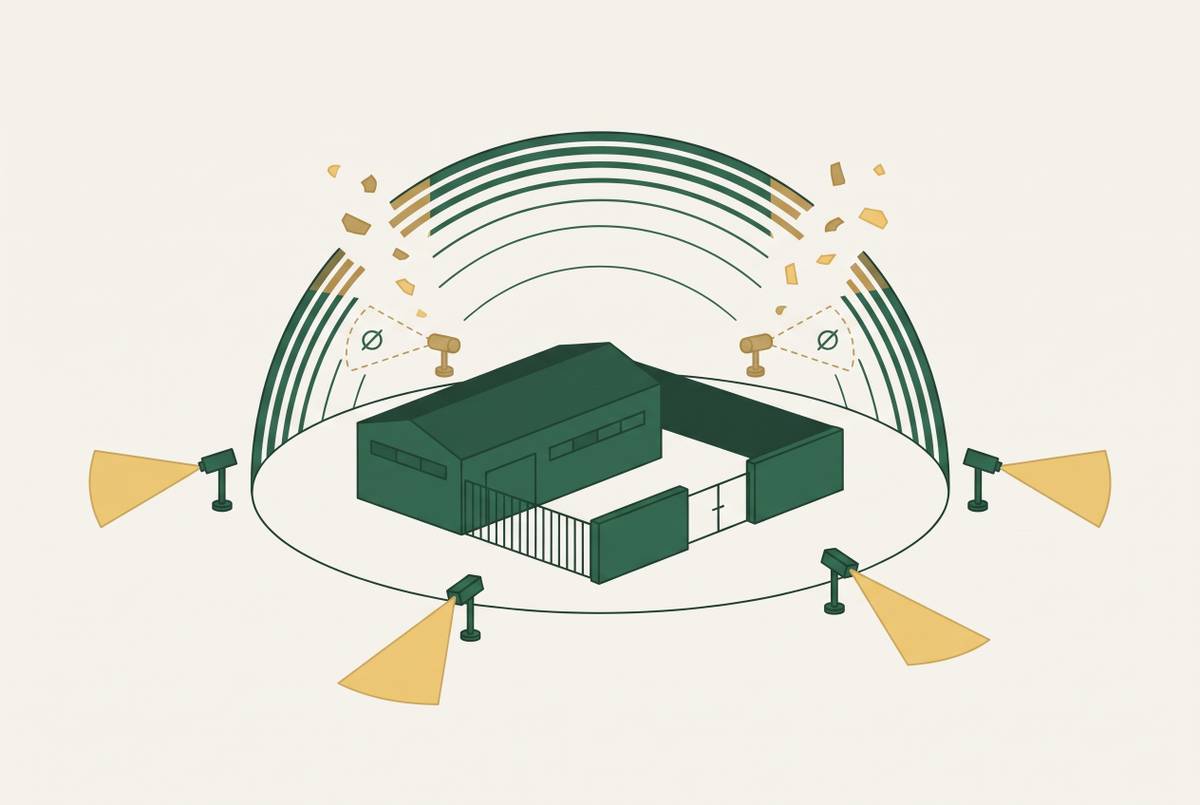
AI filtering before human review can reduce operator queue depth by 70–90 percent during surges.
Fixing alert fatigue requires detecting threats before they reach humans, not managing more queues.
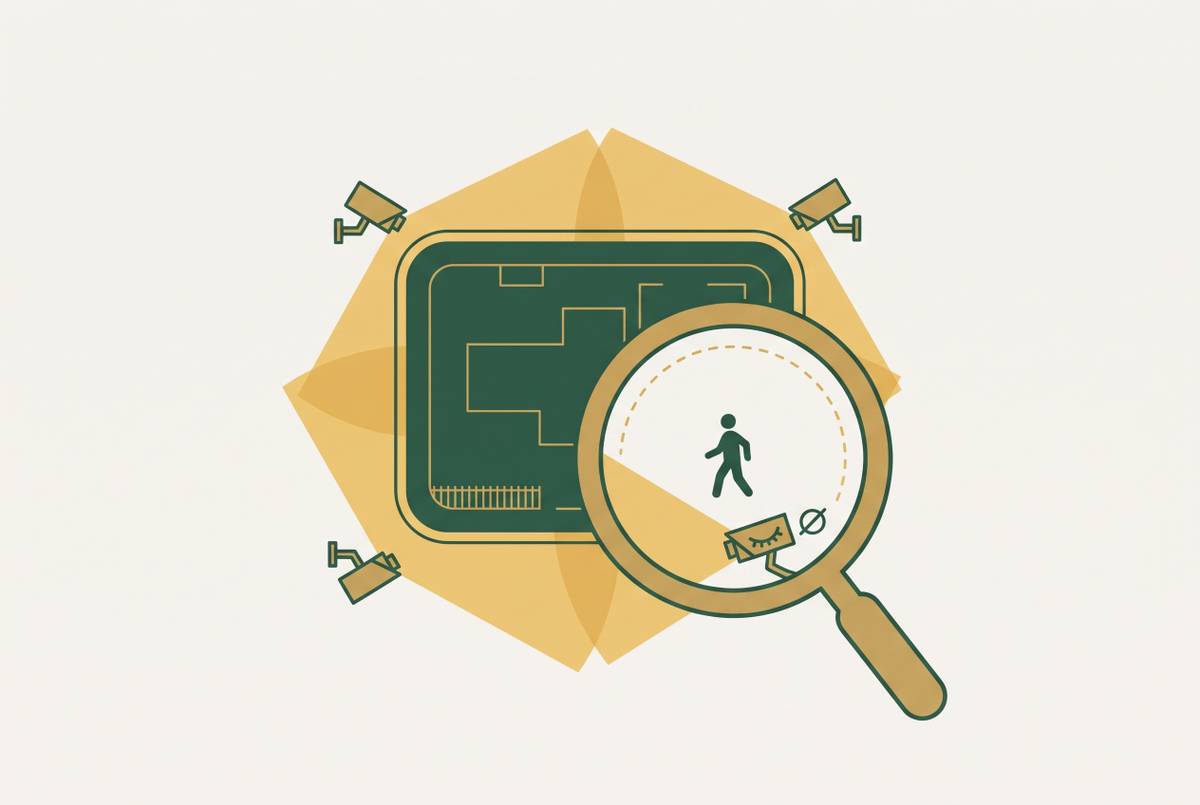
Silenced cameras hide detection gaps while keeping zones marked as protected.
Verified alerts matter more than camera count when stopping an intruder depends on speed.
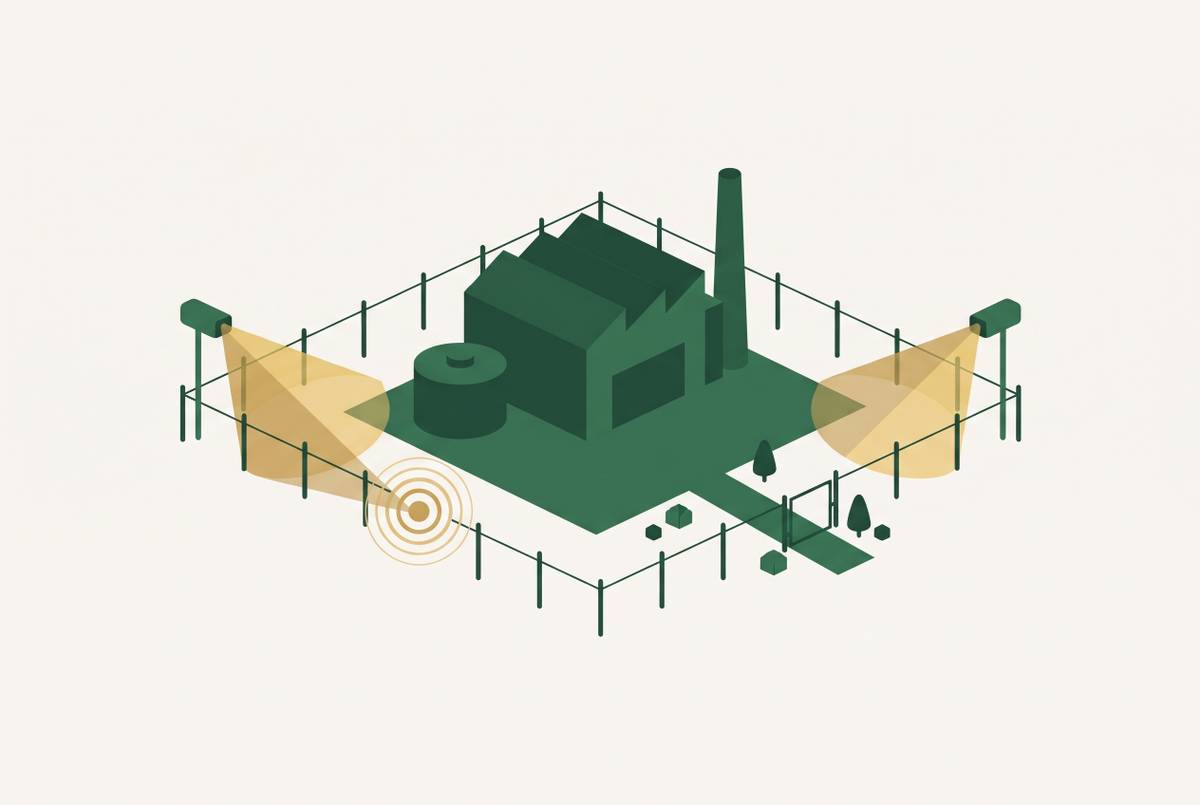
How AI-verified video monitoring covers yards after the staff leave.
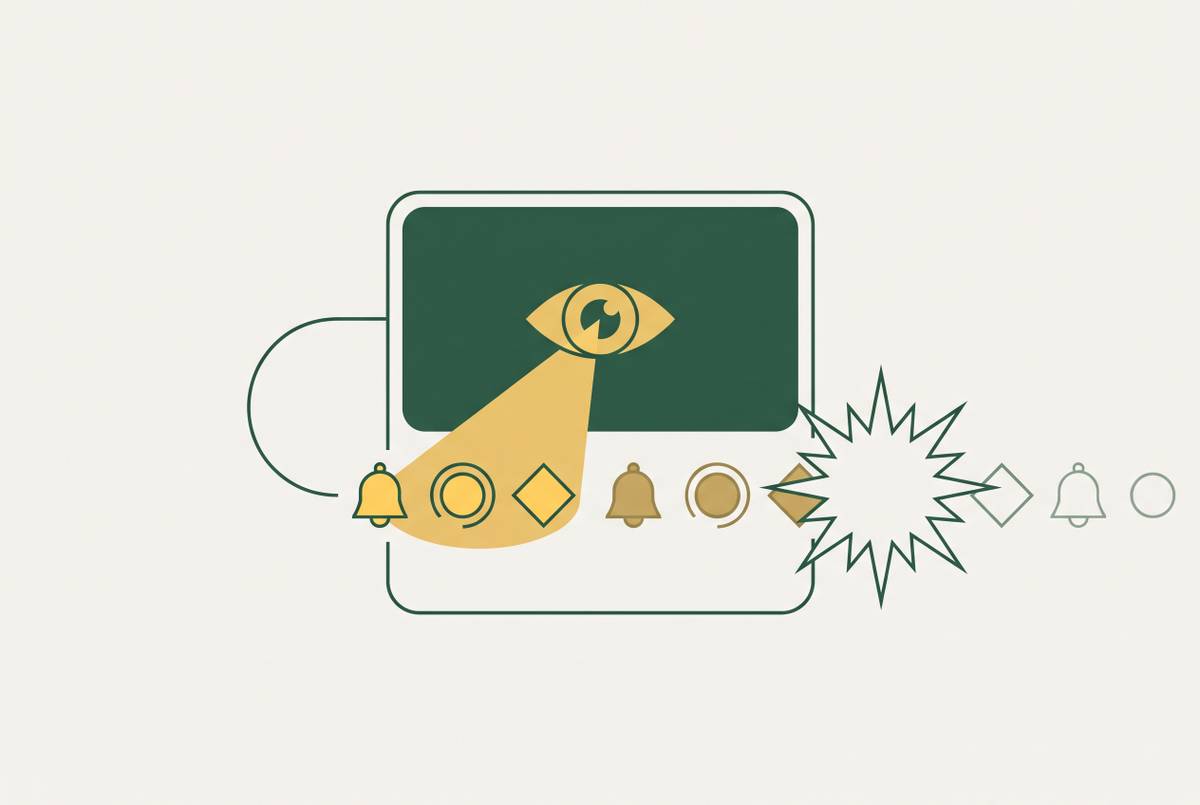
First-in, first-out queues bury real threats behind false alarms.
Silencing noisy cameras shrinks real coverage and hides the gap.
AI filtering lets operators focus on real threats instead of sorting through constant false alarms.
AI filtering and site-specific rules enable faster response to genuine after-hours intrusions.